Established 1995

Sydney: 02 9793 2001

Brisbane: 07 3630 0001

Melbourne: 03 9330 3321

How Slate Went From Rooftops to Benchtops

Slate started out as mud on an ancient sea floor. Over hundreds of millions of years it was pressed into a stone people have used for roofs, floors and school slates for thousands of years. In this part of our History of Natural Stone series, we follow it from Roman Wales to the modern Australian home.

What Slate Is

Slate has one of the finest grains of any stone. It forms when mud and clay are slowly pressed and heated deep underground, which gives it its strength. In its thin slab form, slate retains great tensile strength and durability, which makes it a beautiful choice for roofing and similar purposes. According to Britannica, slate is formed under low-grade metamorphic conditions, such as low temperatures and pressure. Its original form is a fine clay which may contain sand or volcanic dust, in the form of a sedimentary rock like mudstone or shale. The cleavage direction results from imposed pressures during metamorphism.


Slate comes in an array of colours, including black, blue, purple, red, green or grey, which are caused by the presence of different minerals or oxides. Additionally, the main minerals in slate are mica, chlorite and quartz.

Slate in Ancient and Medieval Times

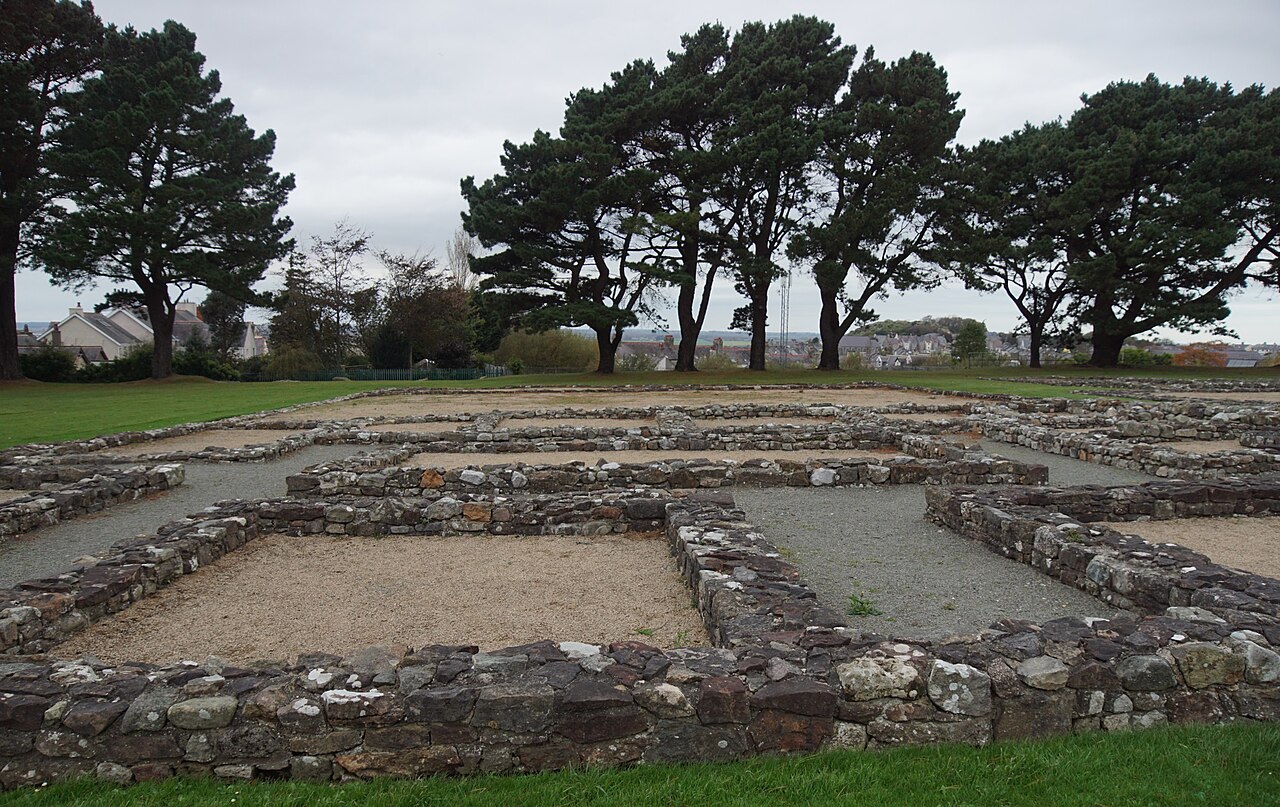
Much more waterproof than local clay, the Ancient Romans used slate for roofs and floors, as seen in forts like Segontium, from around the 1st–4th century AD. Located in Caernarfon, Wales, this Roman Fort is famous in industrial archaeology because it marks one of the earliest recorded uses of Welsh Slate for architectural roofing.


Slate is believed to have declined after the Romans left Britannia in the 5th century, the Saxons preferring the thatched roof. However, after the Norman conquest in the 11th century, architectural preferences shifted, especially for the roofing of large wealthy institutions, back to slate.

Stone wall foundations of the commander’s house at Segontium Roman Fort, Caernarfon, Wales
Stone wall foundations of the commander’s house at Segontium Roman Fort, Caernarfon, Wales.

Many historical and high-status buildings, churches and fortresses in England and Europe utilised slate. One of the limitations for using slate was its weight, which generally left only the wealthy able to afford to have it transported.

While quarries are found elsewhere, it is Wales that has always been abundant in slate. Welsh slate is still considered some of the best quality to this day.

Welsh Folklore

Welsh quarrymen carried their own folklore into the depths alongside their tools. The coblynau were small, good-humoured mine spirits said to dress like miners themselves who were believed to inhabit the tunnels of Snowdonia, knocking on the rock to guide workers toward the richest seams of slate.

Whether taken as superstition or simply a way of making sense of a dangerous trade, the coblynau reflect how deeply this stone was woven into the daily and cultural life of the communities who quarried it.

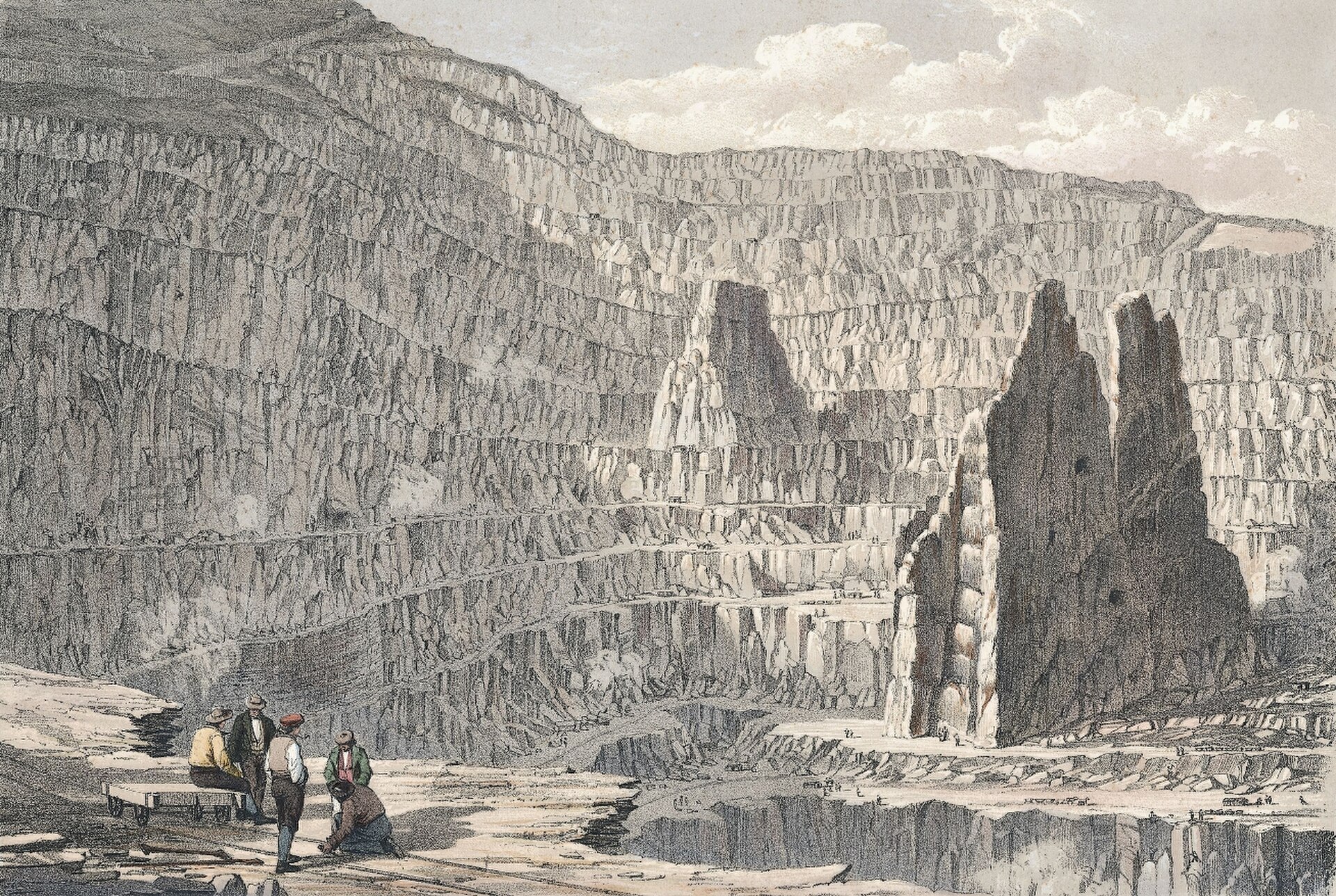
1852 lithograph of Penrhyn Slate Quarry in Wales, with terraced quarry walls and workers in the foreground
1852 lithograph of Penrhyn Slate Quarry in Wales, with terraced quarry walls and workers in the foreground. Summers, Alfred Day & Son, lithographer.
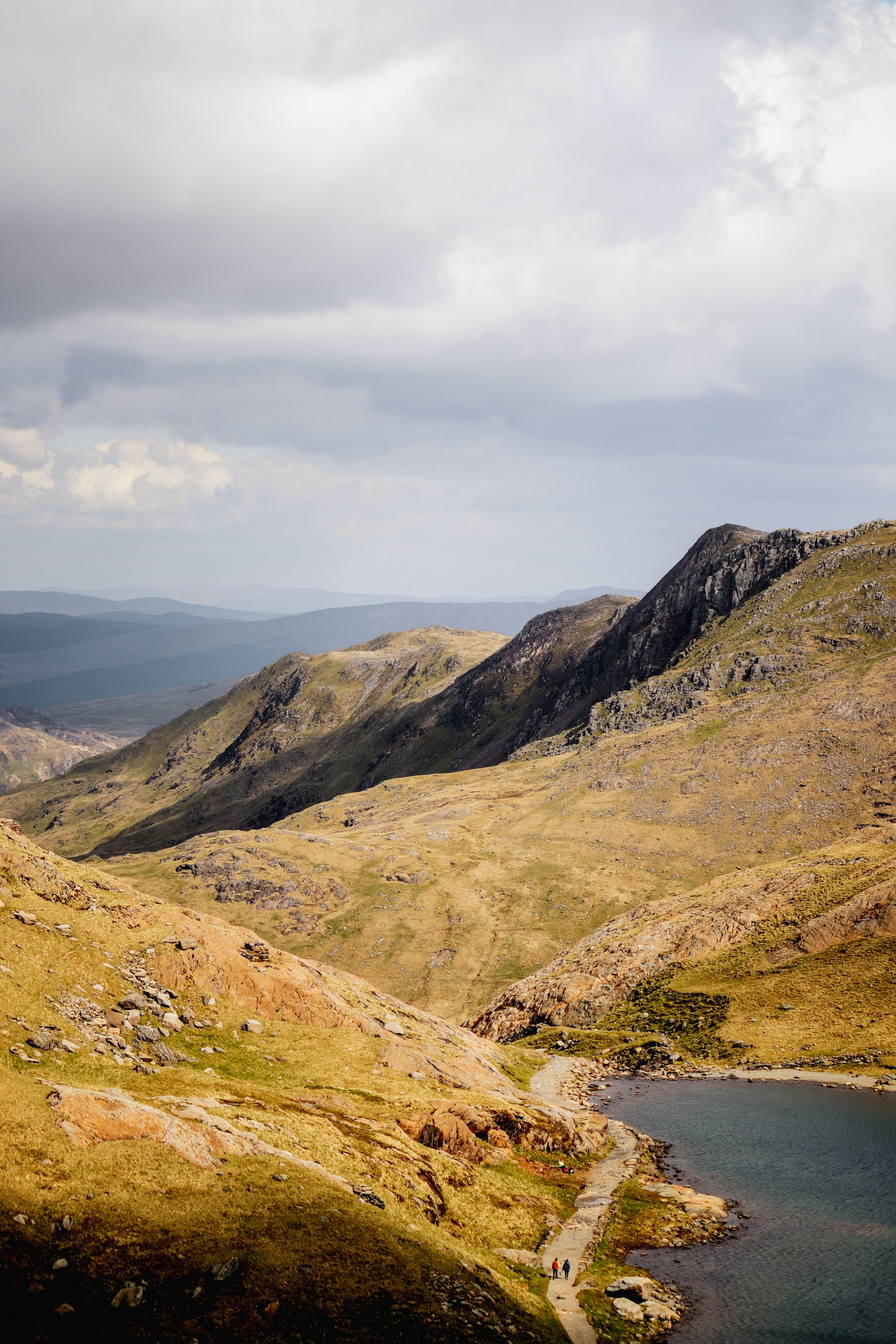
Mountain valley with a lake and walking path in Eryri National Park (Snowdonia), Wales
Eryri National Park (Snowdonia)

Nineteenth Century Popularisation

In the 19th century, slate quarrying boomed, with Wales roofing much of the industrial world. This boom in production led to the popularisation of slate. Spain would later overtake Wales, and today it is the world’s largest producer.

Slate is a fine-grained clayey metamorphic rock that cleaves, meaning it is able to split into smooth thin sheets. The 19th century expanded the use of slate, and because of these properties, the Victorians used it like small chalkboards for school children. These slate sheets were slightly larger than A4 paper, often etched with horizontal lines for handwriting.

World War Pressure

With the impact of the First World War, Prime Minister David Lloyd George declared slate mining a non-essential industry in which its workers could be utilised elsewhere.

Man-made products like asphalt and asbestos were considered more cost-effective and easier overall, and thus replaced their predecessor. The slate industry did not begin again until after the Second World War.

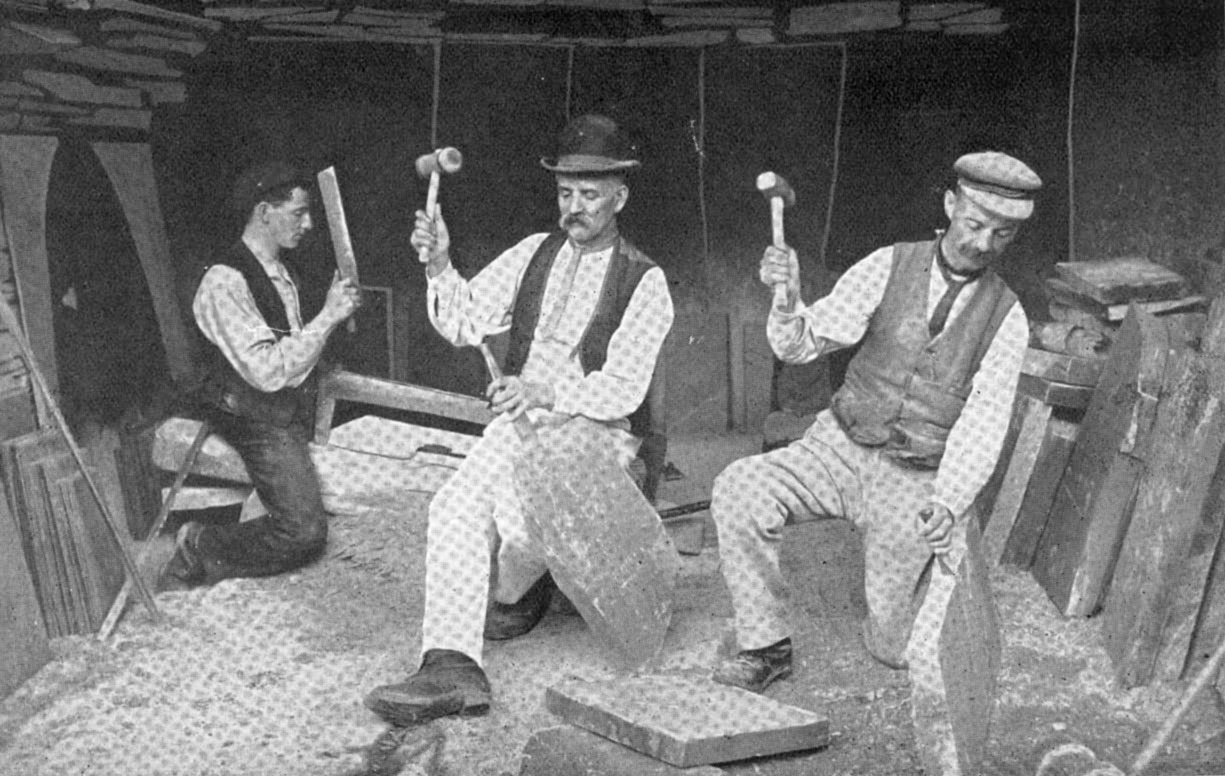
Three quarrymen splitting slate by hand at Dinorwig Quarry, Wales, around 1910
Three quarrymen splitting slate by hand at Dinorwig Quarry, Wales, around 1910.

Slate in Contemporary Projects

In the present day, slate has never been so in-demand, and its versatility lends it to contemporary architecture, both indoors and outdoors. As roofing, slate is considered a sustainable choice, especially considering its fire resistance and 100 year+ lifespan. It has very low water absorption and high chemical tolerance, making this an excellent choice for outdoor barbecue and pool surrounds and garden pathways.


You will find slate as a textural feature wall as naturally as you will find it as a smooth, matte floor throughout indoor spaces, for kitchen and bathroom basins, benchtops, tableware, for water features, and even in a crushed state for weed suppressing mulch.

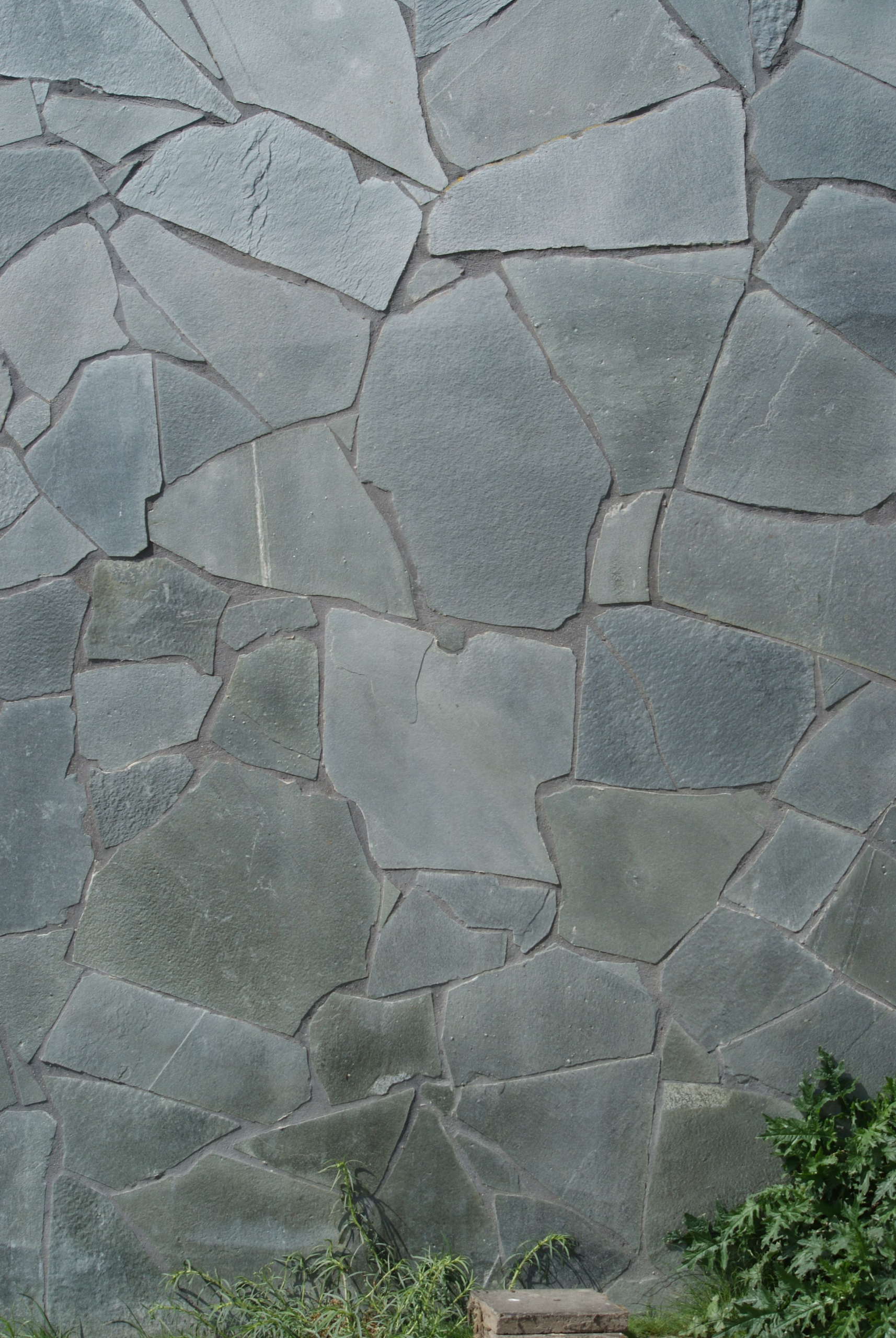
Feature wall of irregular grey slate pieces
Feature wall of irregular grey slate pieces.
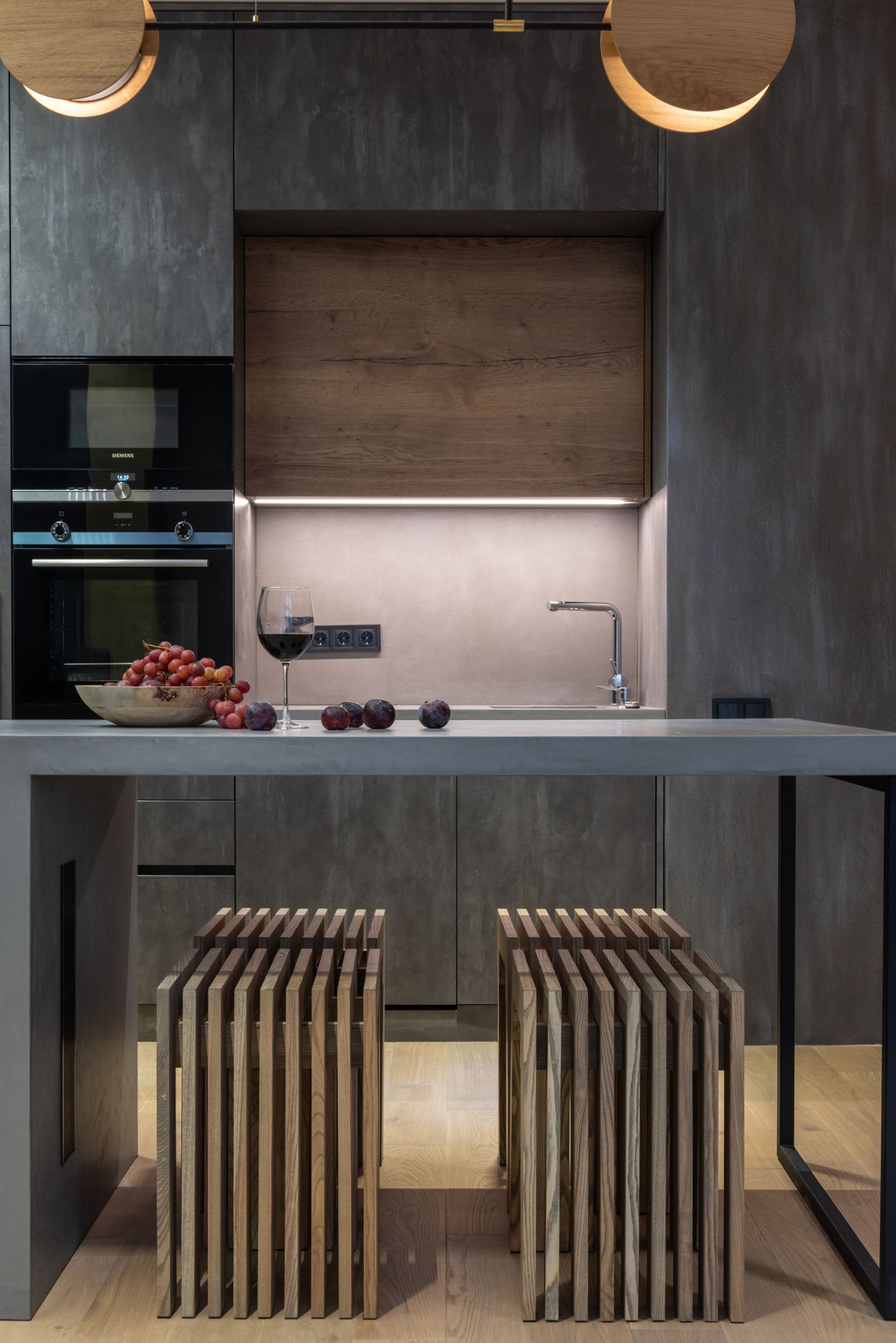
Compact kitchen with dark slate surfaces, a timber splashback panel and slatted timber stools
Compact kitchen with dark slate surfaces, a timber splashback panel and slatted timber stools.
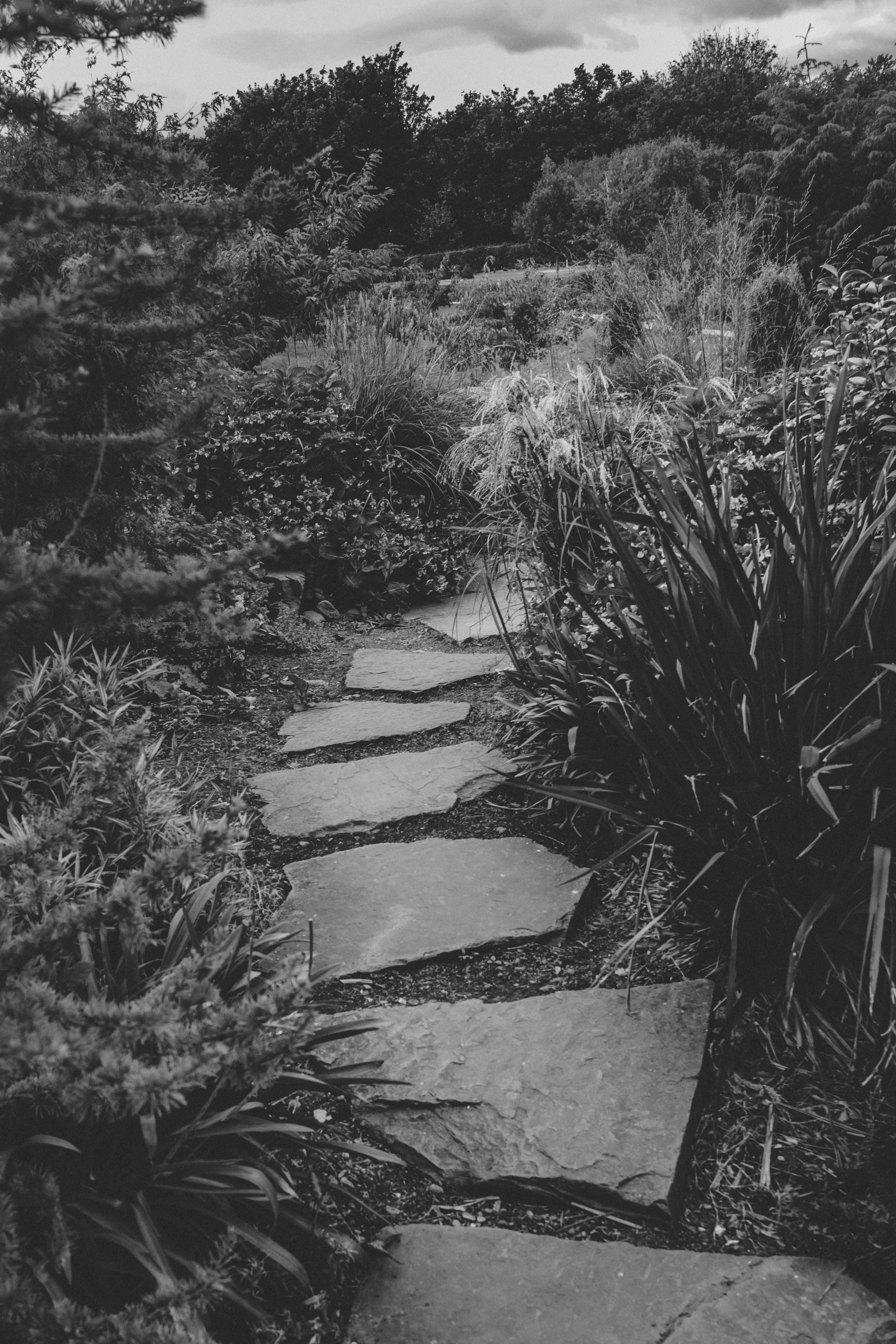
Slate stepping stones through a garden
Slate stepping stones through a garden.

The beauty of slate was always there, we are just beginning to appreciate it again. Its luxury lies in its easy application and natural staying power. View our full slate range online and come visit a showroom in Sydney, Melbourne, or Brisbane.