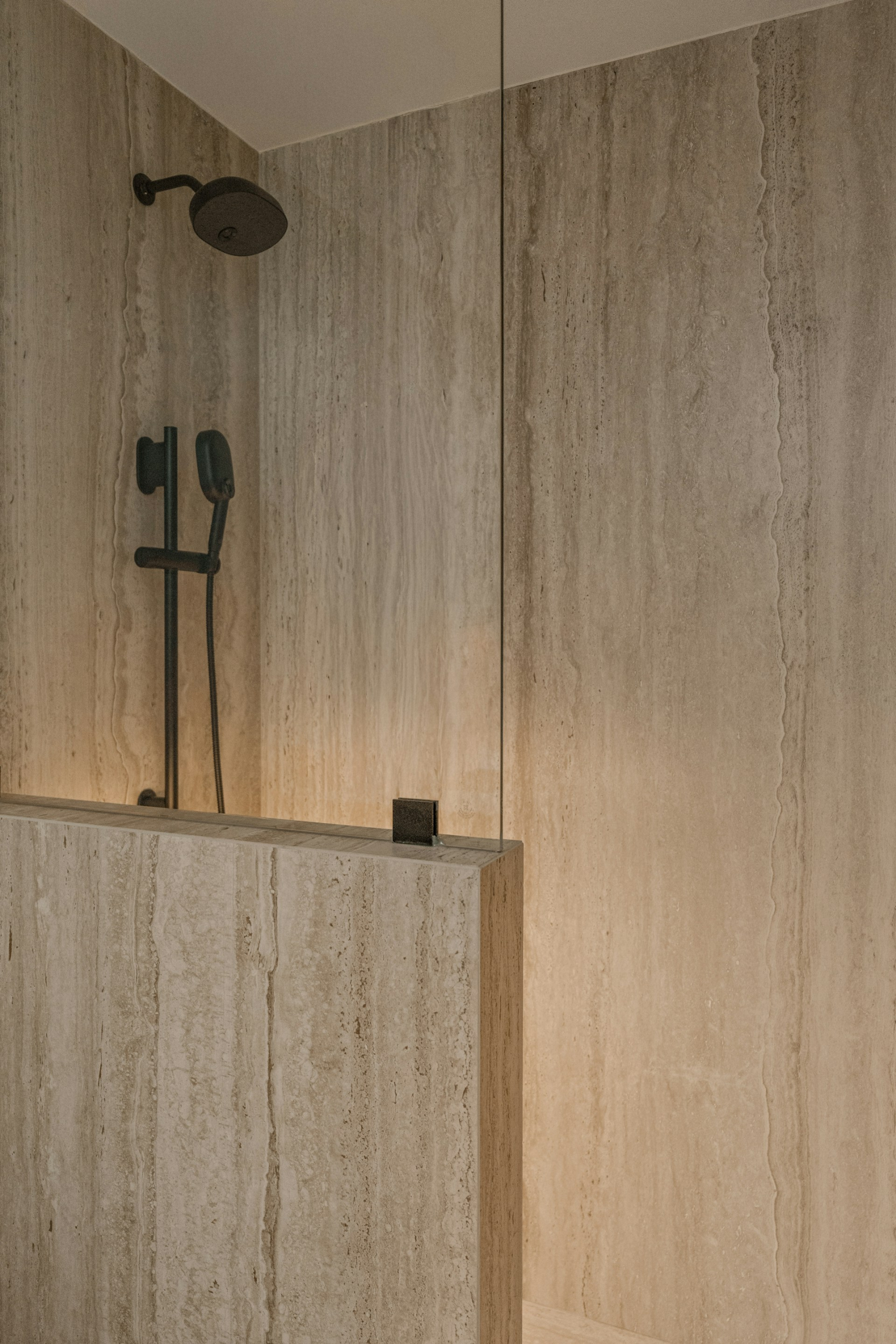
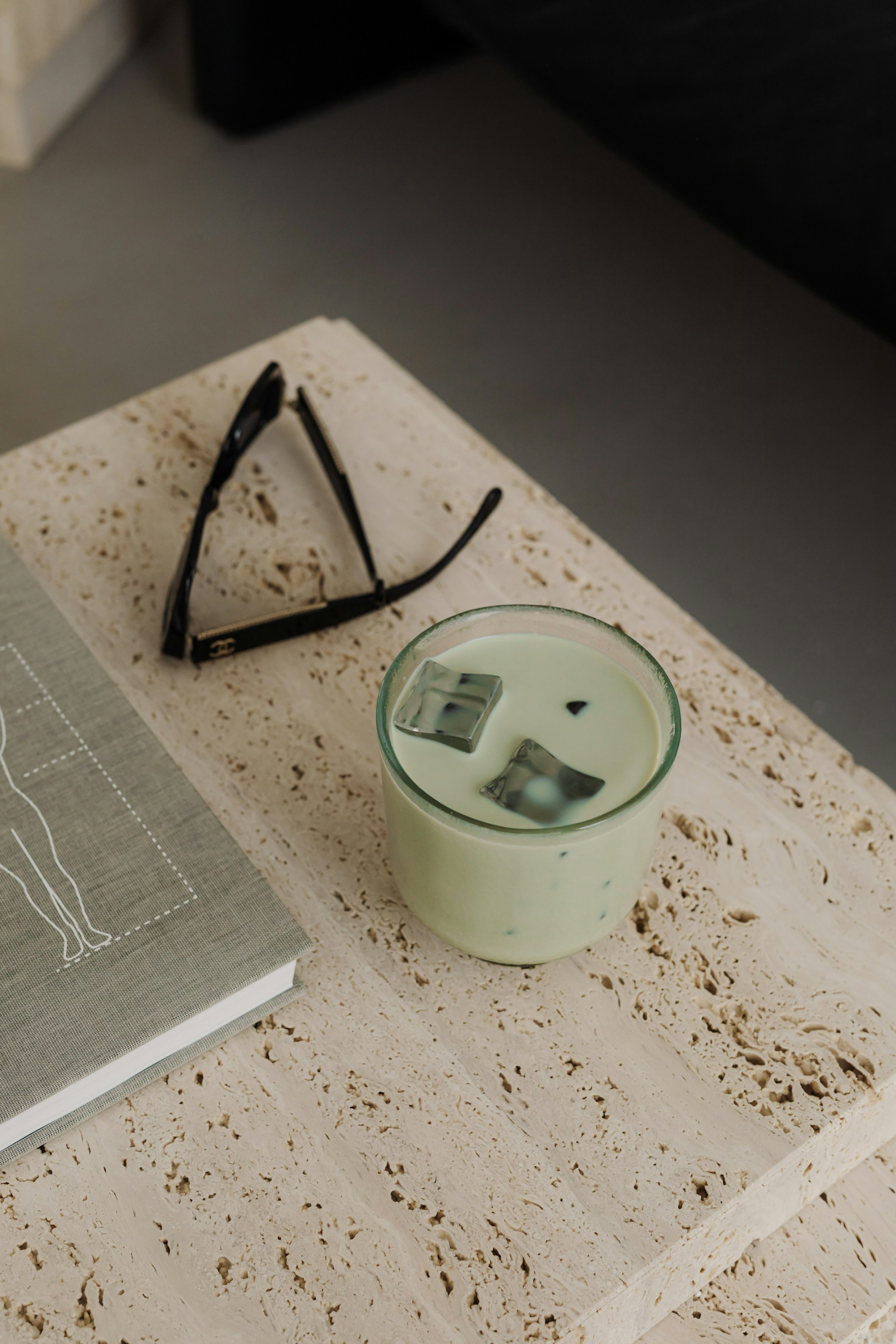
Travertine forms around mineral-rich water, near hot springs and limestone caves, where calcium carbonate builds up fast enough to trap gas bubbles and leave the small pits the stone is known for. In this part of our History of Natural Stone series, we follow it from the quarries of Tivoli and the Colosseum to the modern Australian home.
Travertine is known for its weather resistance and impressive strength. It is actually understood as a type of limestone, but unlike standard limestone, it forms around mineral rich water, often near hot springs and limestone caves, through the rapid precipitation of calcium carbonate. The stone is porous, or pitted, which is caused by rapid mineral formation around gas bubbles and plant matter.
‘Stone of Tibur’
Travertine’s name comes from lapis tiburtinus, which translates to “stone of Tibur,” Tibur being the ancient name for Tivoli, near Rome. Its first known uses can be traced back to the Etruscans and then later to the Romans, who popularised its use. Tivoli, Italy, is where the ancient Romans sourced the travertine used to build many significant monuments still standing today.
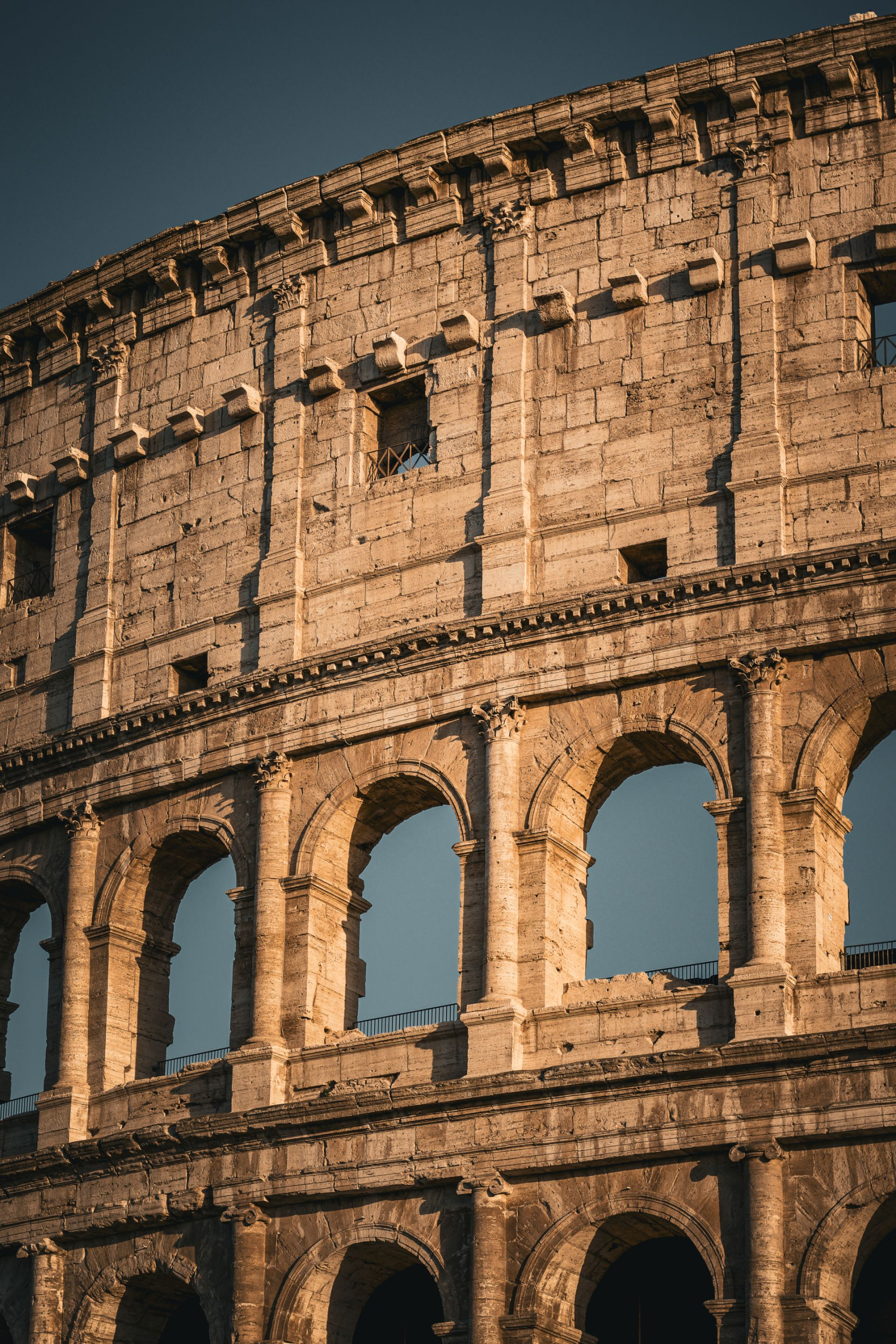
The Colosseum is one of the earliest and most significant architectural uses of travertine. Its main structural framework and facade are built from the stone. Also named the Flavian Amphitheatre, this site of gladiatorial combat began construction in 72 AD under Emperor Vespasian.
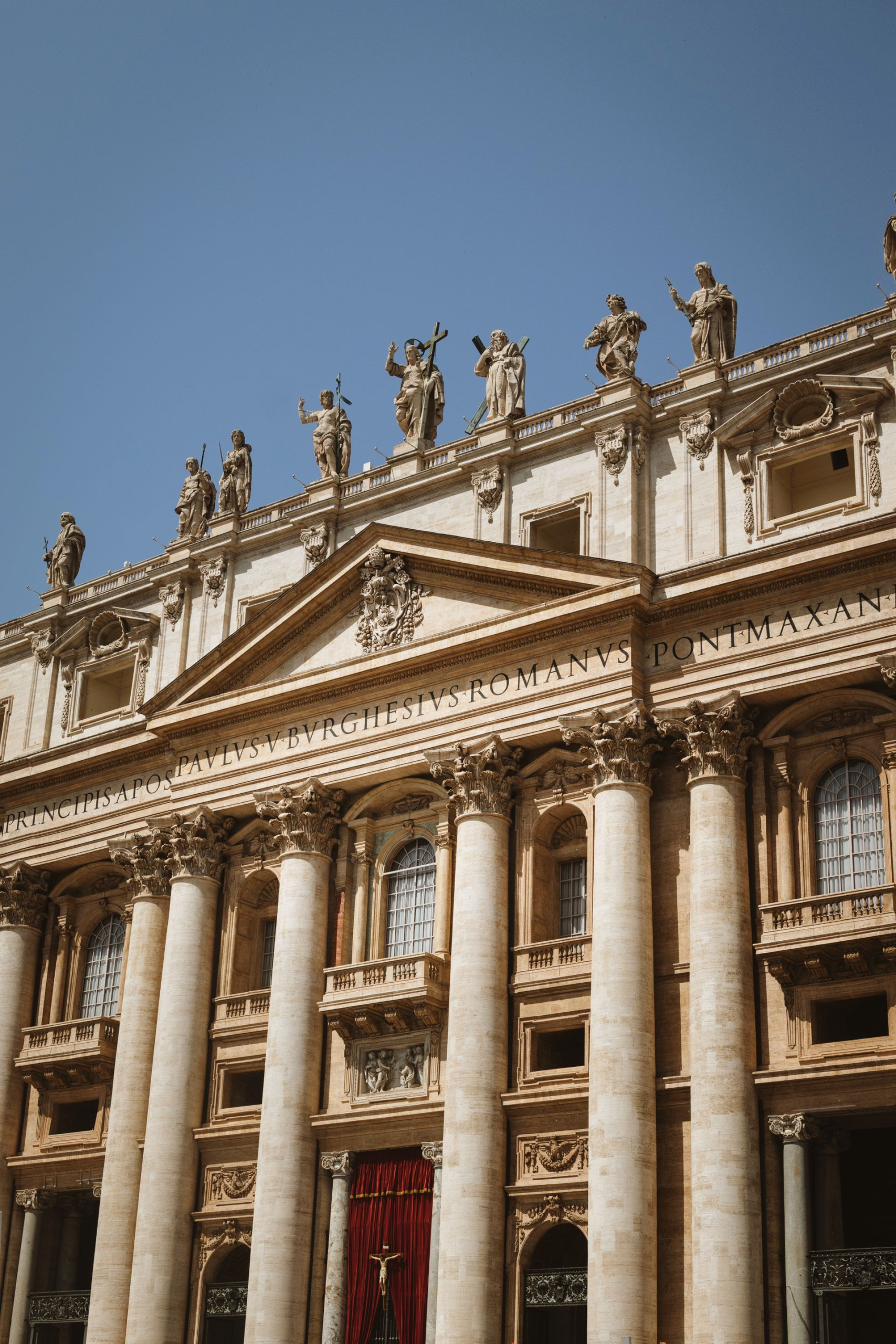
St. Peter’s Basilica, designed by Carlo Maderno, features a grand 45.5-meter-high and 114.7-meter-wide facade using massive travertine blocks and Corinthian columns. Travertine is also utilised in structural vaults and specific architectural sections throughout the interior.
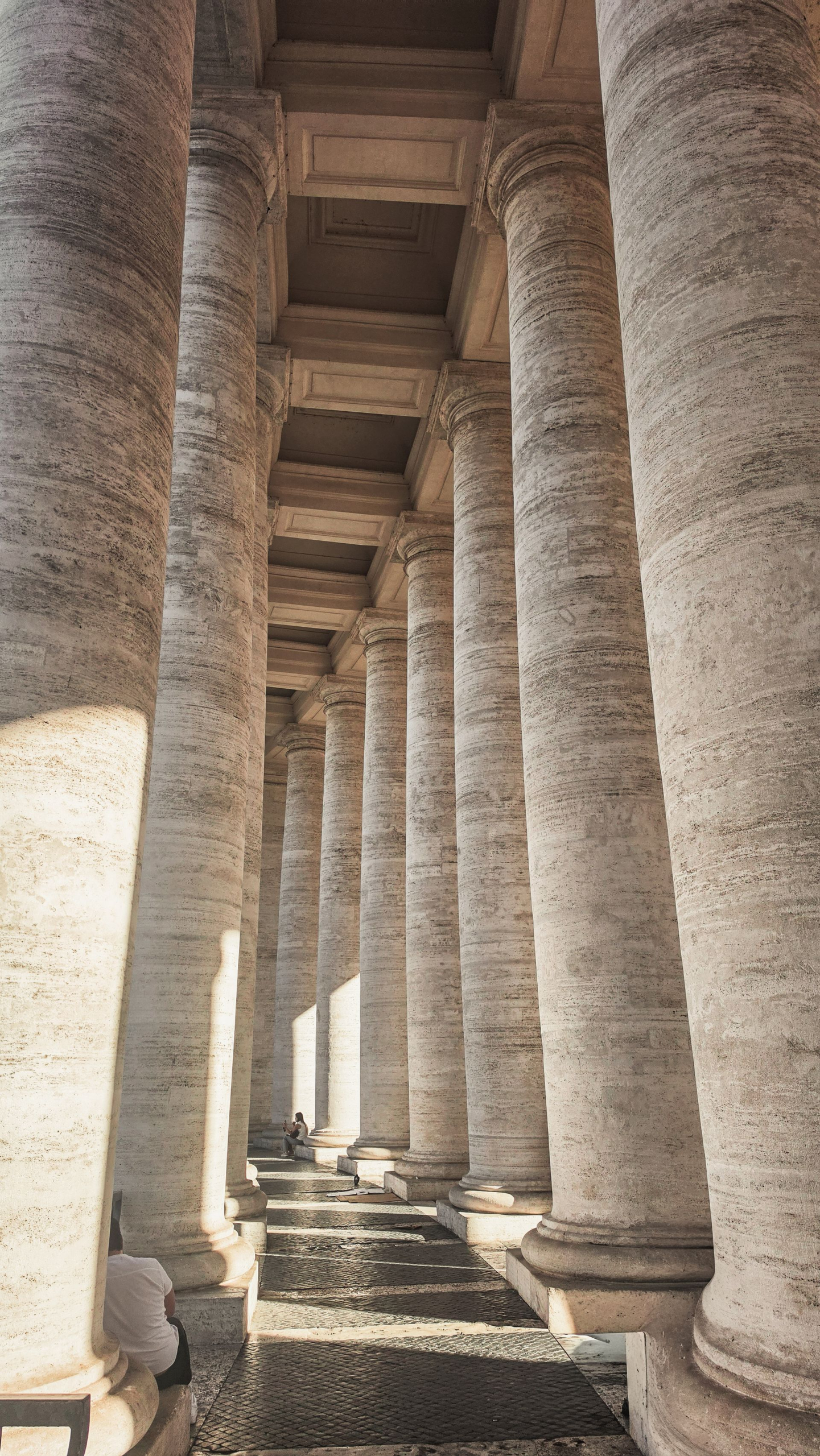
Bernini’s Colonnade, a massive Baroque architectural masterpiece within St. Peter’s Square, features 284 Doric columns, 88 pilasters, and 140 saint statues.
Tivoli’s travertine quarries have supplied Rome for over 2,000 years. The rich, continuous stream of supply of this stone to Rome and the world at large demonstrates its superior strength, which has allowed architecture and sculpture to stand for centuries.
The Stone Dragon: Baba Gorgor
The histories of natural stones lie not only in their uses. Stones have relationships to folklore, which enrich our understanding and appreciation of their unique qualities and origins.
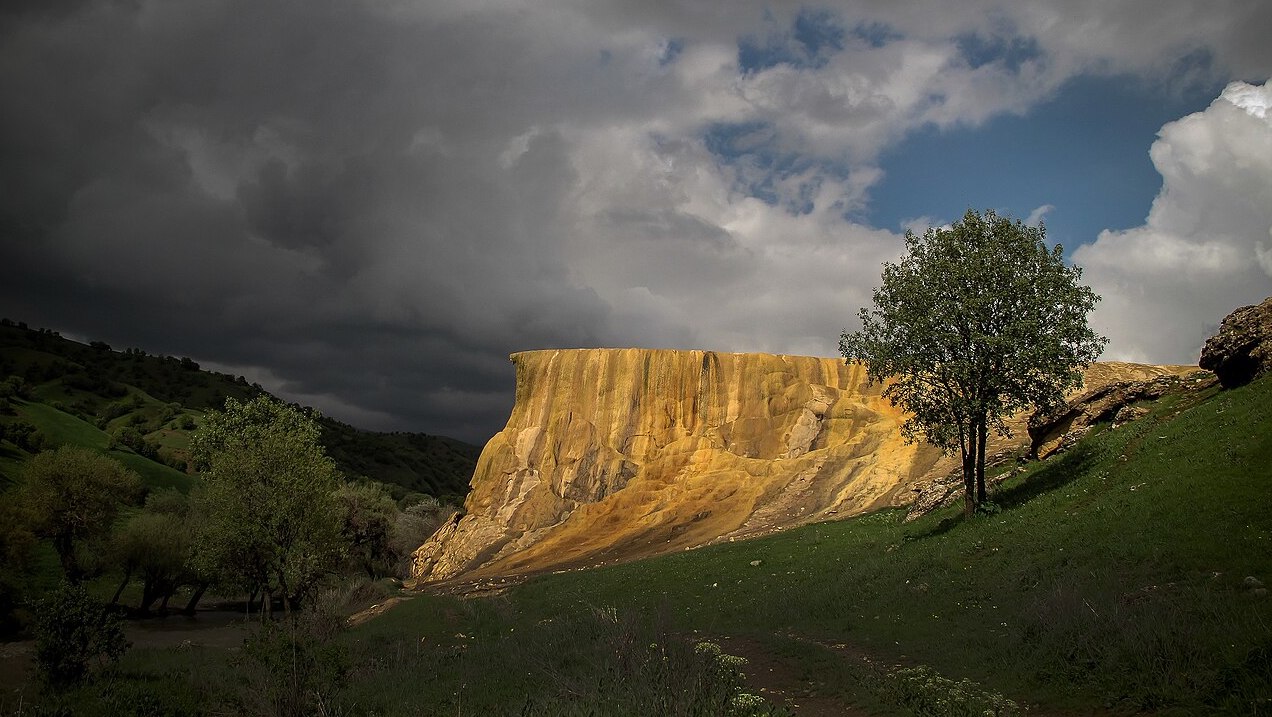
In the active Sanandaj-Sirjan tectonic zone of Iran is a geological site, The Baba Gorgor Travertine Springs. ‘Evidence of ritual practices such as coin throwing and tying votive cloths‘ reveal a long-standing mythology tied to this travertine ridge. Stories describe the stone formation as a former dragon, which terrorised the local population until a holy figure intervened and petrified it into stone. Echoes of this local lore can be found in our trust of travertine, for its protection and warmth.
Travertine’s Fingerprint and Contemporary Uses
Travertine is valued for its warm, earth-toned veining and visible texture, sometimes referred to as its fingerprint. These qualities bring its unique visual character, and serve the dual function of natural slip resistance. In contemporary applications, this makes it a valuable material for pool surrounds, garden paths, and bathroom flooring when properly sealed.
From the Colosseum to a contemporary Australian courtyard, travertine has always stood up to time, weather, and constant use, without losing its warmth. It’s a stone that ages the same as revered Roman architecture, gaining character rather than wearing out.
View our full travertine range and see it in person at our Sydney, Melbourne, and Brisbane showrooms.